Thank You Tarantino! Part 3 - Django Unchained: Supporting Characters Take the Lead
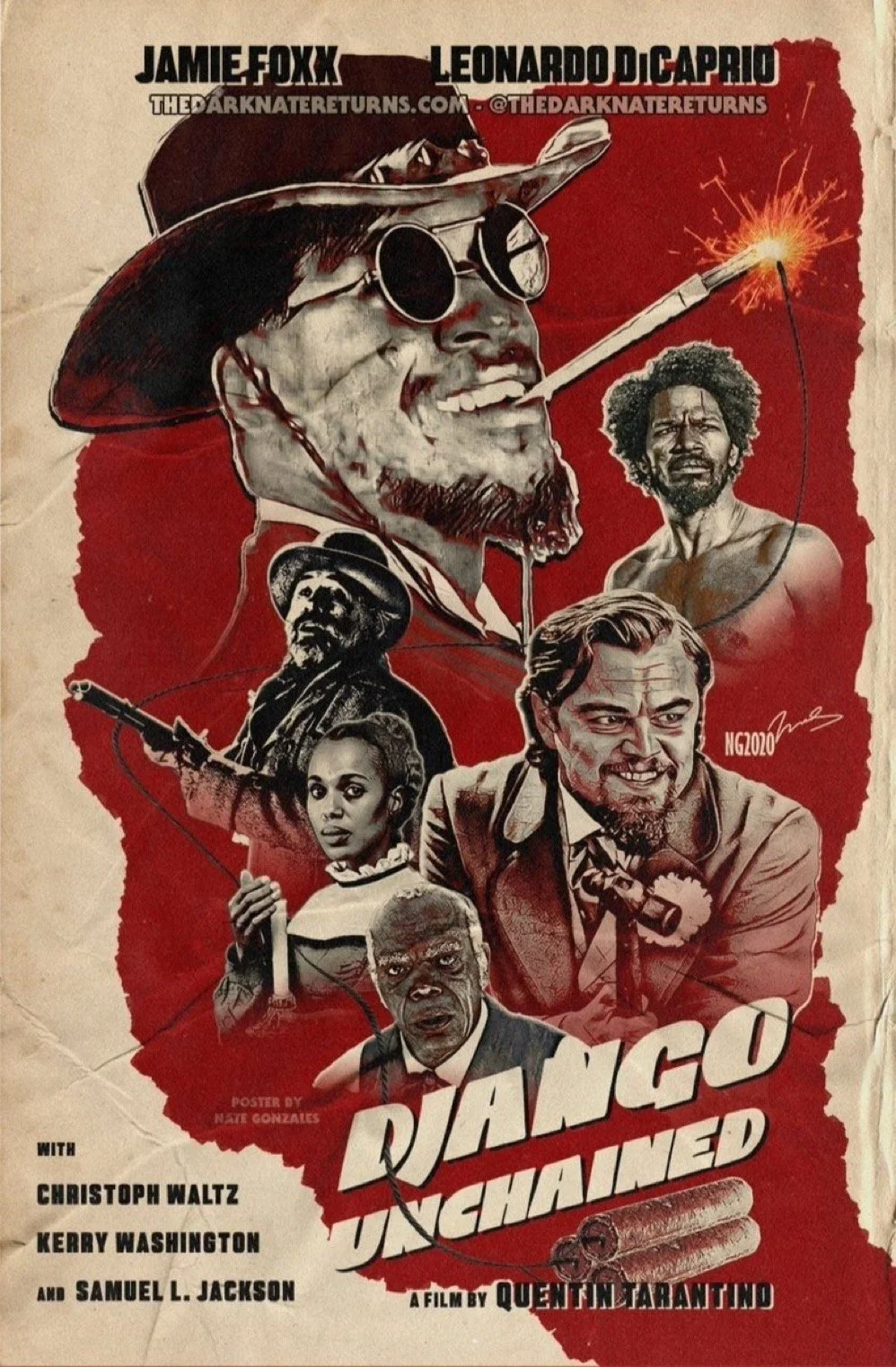
The 7th film by Quentin Tarantino focuses on one of Hollywood’s guilty pleasure genre settings: slavery. The slavery topic gets more distasteful each time it’s done, but this happens to be an exception by flipping the subject material to be a rescue story where a slave learns to be a bounty hunter and ultimately is known as “the fastest gun in the South” as he invades a plantation to save his wife. The film is filled with an incredible cast and the supporting characters that standout more than the main character of the story, which is what makes this film stand lower on the list (plus the fact it’s another white man making a slave movie in Hollywood).
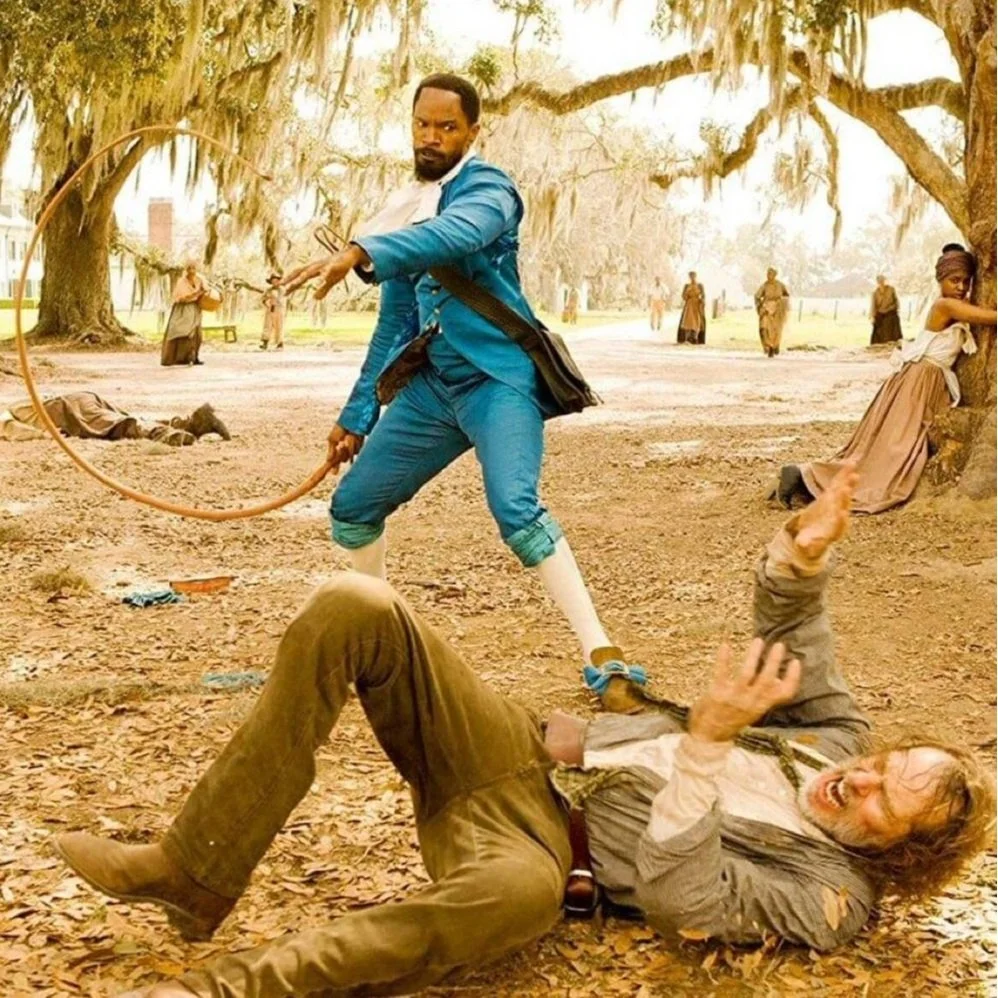
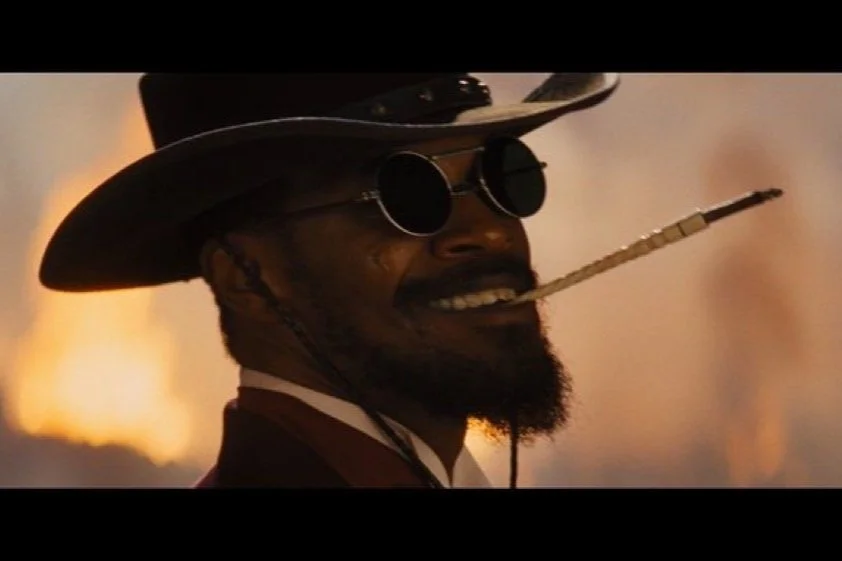
Jamie Foxx (Collateral, Baby Driver, Any Given Sunday) is in the lead as Django, who was originally intended to be Will Smith but luckily he declined because he doesn’t know what good movies are anymore and he felt it wasn’t a love story and that the mentor to Django was more of the hero of the story; which isn’t totally wrong. Django’s mentor, Dr. King Schultz, is played by Christoph Waltz (Inglourious Basterds, Spectre, Big Eyes, Horrible Bosses 2) who gives an incredibly charismatic performance that is amplified by the incredible dialogue and moral compass given to him by Tarantino. Also in the supporting cast is Leonardo DiCaprio (The Aviator, Shutter Island, The Departed) as Calvin Candie, the merciless plantation owner who owns Django’s wife at his compound known infamously as Candyland. Samuel L. Jackson (The Avengers, Snakes on a Plane, Glass) plays Candie’s “house nigger” Stephen, who just so happens to be the most despicable person in the whole film. Aside from those two standouts, Walton Goggins (The Hateful Eight, Justified), Kerry Washington (Scandal, Little Man), Don Johnson (Miami Vice, Knives Out), James Remar (Dexter, 2 Fast 2 Furious), and a surprise cameo by Jonah Hill (Superbad, Moneyball, The Wolf of Wall Street) all hold their own whenever they get screen time.
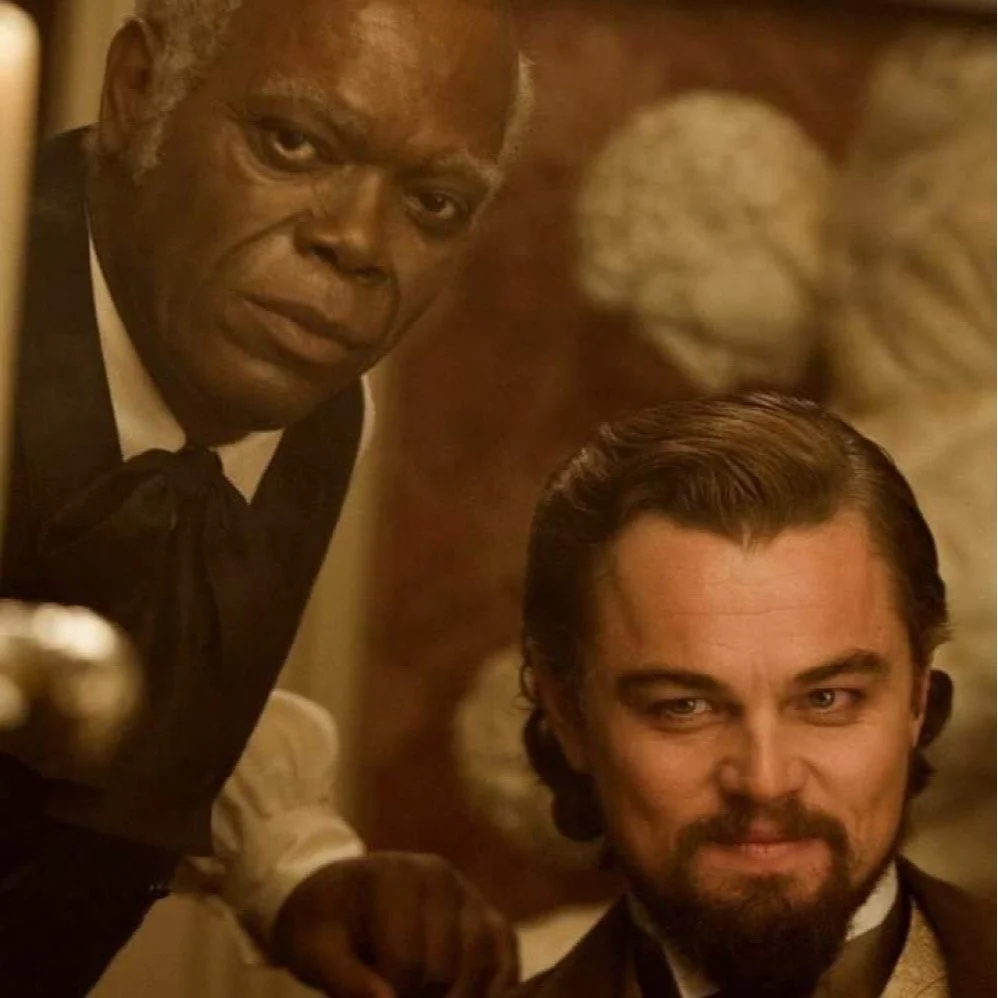
After having seen the film several times, the best parts of the film are watching Schultz become closer to Django through comedy and violence they create together and every sequence that involves Calvin Candie and Stephen outside and within Candyland. The film is filled with violence and excessive racial slurs, but those don’t take away anything from the film’s themes and purpose; which is to be a heroic revenge flick that emphasizes how immoral and horrible slavery was and how its effects still play a role in today’s day and age.
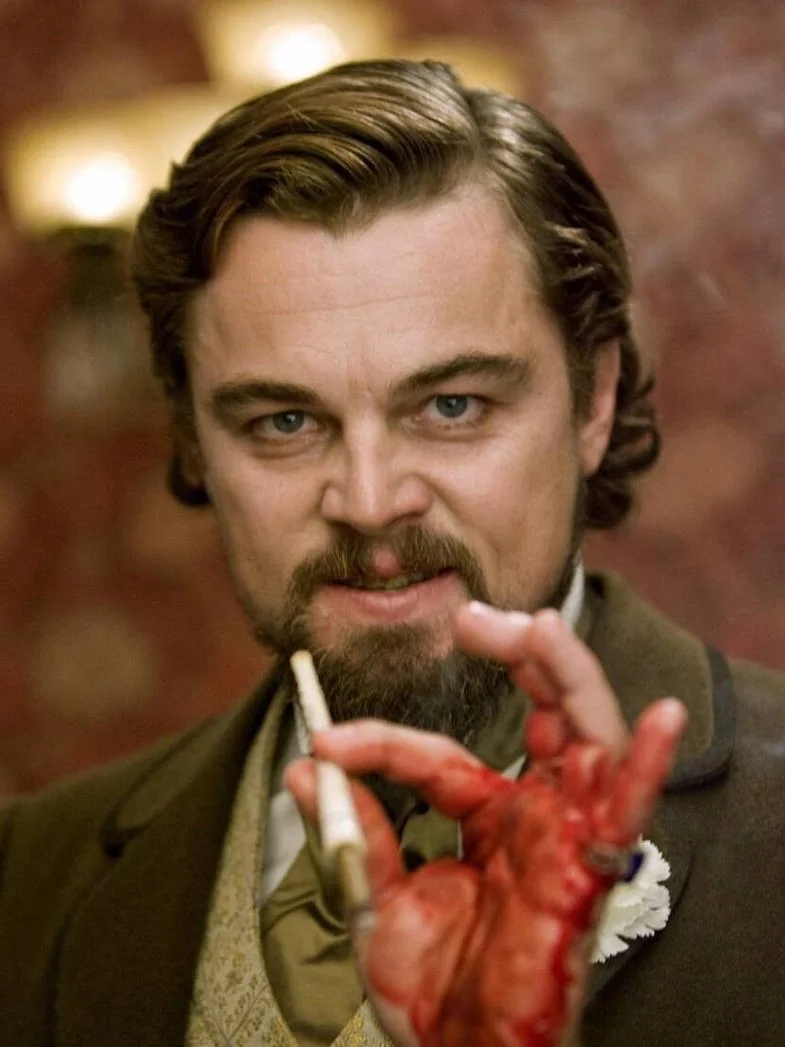
Leonardo DiCaprio chews up every scene he gets and plays an incredible villain, which we hardly get enough of him as the bad guy in movies. It’s memorable enough to be regarded just as great as Denzel’s performance in Training Day. I was quite surprised he didn’t end up winning the Academy Award for Supporting Actor, that happened to go to Christoph Waltz, for the second time in two years, as Schultz. Samuel L. Jackson even deserved a nomination for his incredible performance in the same breath because his character is the heart of the villainy in the film. With standout performances like these ones, it’s hard for Django to standout amongst the bunch, even though he’s the main character, it’s not until he becomes the hero at the end of the film that he really comes into his own after everyone except him and his wife have brutally been killed.
This film is not bad at all and could even possibly be higher on the list, I just have a personal preference to not care for slavery movies because they are always just a reminder of the horror and atrocities committed against my race of people by my other race of people and it’s a history that shouldn’t be ignored or forgotten, but we shouldn’t always have to be reminded of it in reinactments on film. However, Django might be the only film that I will watch multiple times that deals with this subject matter. I would of loved to read a 500 page or longer book of this story because there are plenty of shots and sequences that didn’t make it to the finished film that I believe would be worth knowing or seeing so that the full vision of Tarantino’s epic in totality.
The 7th film by Tarantino is ranked 7th in this list. The film is by no means “bad” by any extent of the word. It could easily sit above the next two films on the list, just depends on the mood or how recently I’ve seen each one. The next couple films beat this one only because of the importance they have in the catalogue Tarantino has with his intention to make only ten films.
Films Left: Reservoir Dogs, Pulp Fiction, Jackie Brown, Kill Bill, Inglourious Basterds, Once Upon A Time in Hollywood